
Green Ethics Final Conference Marks Four Years of Impact
The Green Ethics Final Conference marked the culmination of four years of dedicated work toward community engagement in sustainable solutions and raising awareness about climate change through cultural events and innovative practices.
On 9–10 February, the final Steering Committee meeting brought together 18 project partners from 12 countries across Europe at Spazio BAC in Turin, Italy. The gathering was both a moment of reflection and a celebration of a shared journey that connected culture, sustainability and active citizenship.
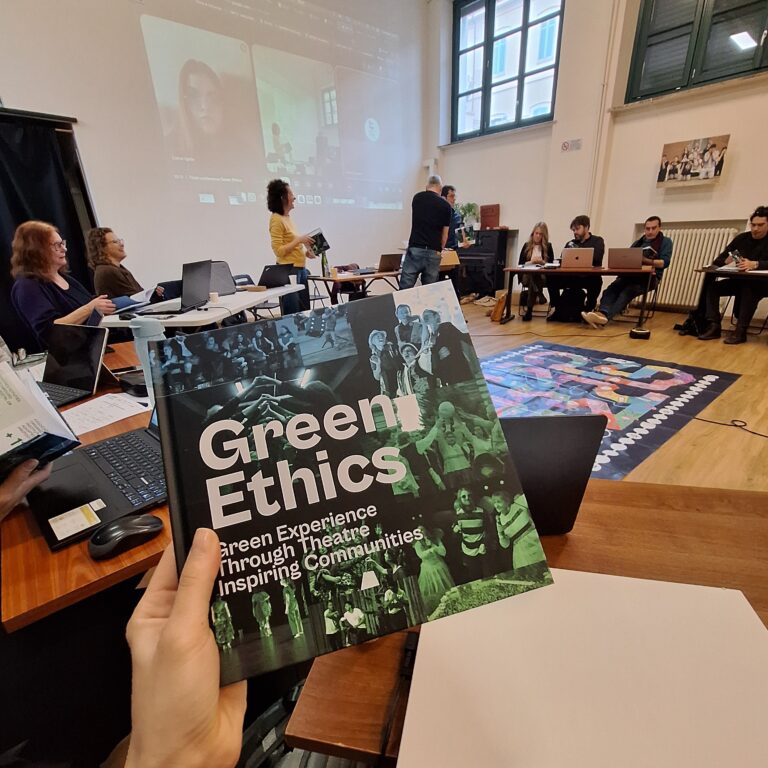
The project’s outcomes were captured in the Green Ethics Photobook that documents all ten theatre game performances, community workshops and board game sessions developed throughout the project. Through powerful images, it reflects the diversity of local contexts and the strong community participation that defined Green Ethics.
The photobook also presents the Green Protocol for cultural events and NGO management, offering practical tips and recommendations for organisations seeking to reduce their environmental impact and embed sustainability into their daily practices.
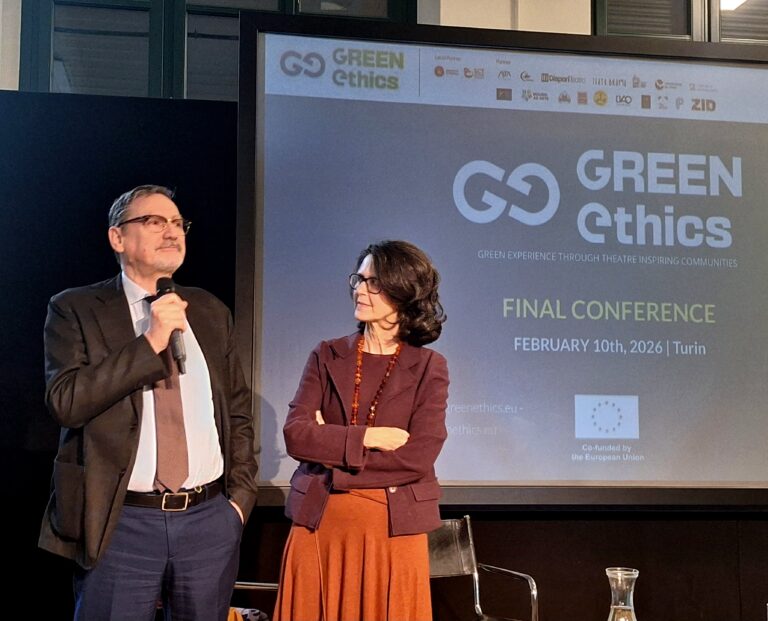
These four years stand as strong evidence that the green transition in the cultural sector is not only possible, but already happening. By working together across borders and disciplines, we have shown that it is possible to build the environment—and the future—we want to live in.
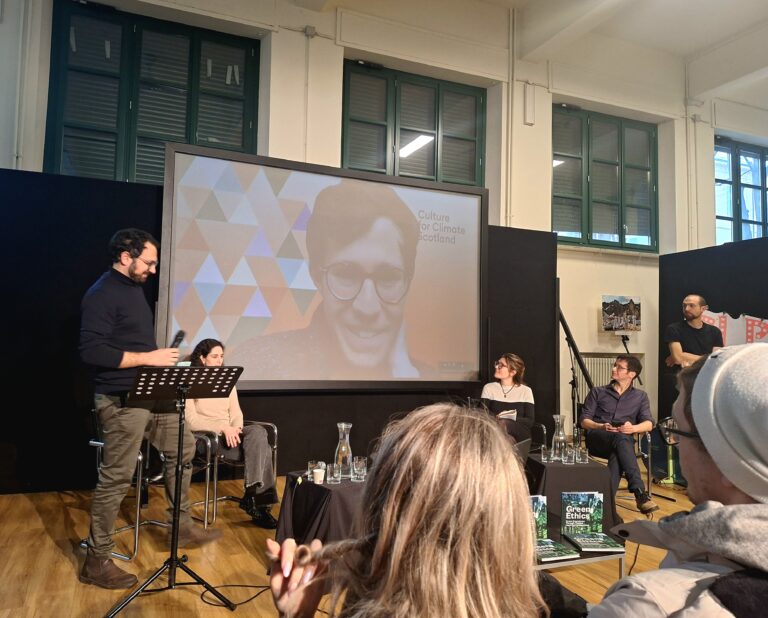
The Final Conference included the scientific contribution of the 4C Observatory of Fondazione Santagata, which helped frame the conversation around evidence and methodology: how to understand what works, how to read territories, and how to measurereal shifts in relationships, skills and opportunities for participation. Marta Jiménez Pumares from the European Commission highlighted the green transition within the cultural and creative sectors, while Lewis Coenen-Rowe of Culture for Climate Scotland shared concrete examples of how arts organisations, public institutions and local contexts can collaborate to make sustainability tangible and actionable.
Duna Viezzoli of Bora Museum (Trieste) offered a powerful reflection on how even the wind—and the ways it shapes places and communities—can become a living archive and a tool for collective awareness. The event concluded with Prof. Pierluigi Sacco, who explored the role of culture in behavioural change and the importance of designing environments that activate emotional and cognitive processes capable of transforming habits and choices.
Over the past years, Green Ethics has connected 18 partners across 12 countries, engaging more than 45,000 people. Yet beyond these numbers, what stood out most was the strength of alliances, shared practices and the long-term commitment required to create work that continues after a project formally ends.